

Introduction: Keeping Up with Cloud Innovation
In the rapidly evolving world of technology, staying informed about cloud innovation and news is crucial for businesses and developers alike. This comprehensive guide will explore the latest advancements in cloud computing, delving into how these innovations can optimize your operations and enhance security.
We will particularly focus on recent announcements from major cloud providers, like AWS, and how developments like the new AWS Web Application Firewall (WAF) logging changes can provide significant benefits. By the end of this article, you will have a robust understanding of cloud innovation and actionable steps to leverage these advancements for your operations.
The Importance of Cloud Innovation
Cloud innovation refers to the continual enhancements and developments within cloud computing services, offerings, and technologies. Businesses are increasingly shifting their workloads to the cloud to take advantage of scalability, flexibility, security, and cost-efficiency. The following points illustrate why keeping up with cloud innovation is vital for any organization:
- Enhanced Security: Keeping abreast of the latest innovations in cloud security ensures that your data and applications are protected against emerging threats.
- Cost-Efficiency: Innovations often include features that can reduce operational costs through more efficient resource usage and better pricing models.
- Competitive Advantage: Companies that leverage cloud innovations can offer better services, improve customer experiences, and streamline internal processes, leading to a distinct advantage over competitors.
Understanding AWS WAF Logging Changes
What is AWS WAF?
The AWS Web Application Firewall (WAF) is a security service designed to protect web applications from common web exploits that could compromise security, performance, and availability. With the new changes announced on September 8, 2025, AWS is enhancing its offering to improve customer experience and inform business decisions.
Key Features of the Updated Logging Strategy
Increased Logging Volume at No Extra Cost:
AWS now provides an allocation of 500 MB of CloudWatch Logs Vended Logs Ingestion for every 1 million WAF requests at no additional charge. This is a significant upgrade for businesses that rely heavily on WAF for security.Enhanced Data Visibility:
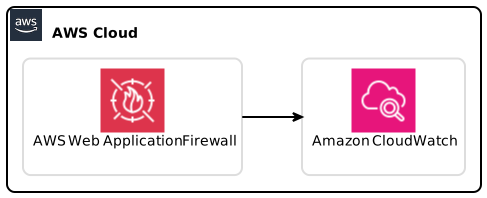
The integration of WAF logs into Amazon CloudWatch offers deep visibility into web application traffic patterns, user behavior, and security events. The capability to perform Log Insights queries allows businesses to analyze logs and detect anomalies in real-time.Actionable Analytics:
With tools like anomaly detection and customizable dashboards, Coupled with AWS’s extended logging capabilities, businesses can obtain valuable insights for security analysis, compliance audits, and troubleshooting.
Benefits of the New Logging Allocation
- Cost Management: By providing this allocation for logs, AWS enables businesses to manage their WAF logging costs effectively.
- Improved Security Posture: With enhanced logging, companies can respond faster to potential security threats through better monitoring and analysis.
- Seamless Billing: The free allocation is automatically applied based on WAF requests used at the end of the month, simplifying billing and usage tracking.
Integrating AWS WAF Logs into Your Workflow
To optimize the use of WAF logs, consider the following actionable steps:
Set Up CloudWatch:
Start by configuring CloudWatch to collect WAF logs for your applications. Ensure that you have the necessary permissions and configurations in place to utilize enhanced logging capabilities.Create Custom Metrics:
Use CloudWatch to set up custom metrics based on the data being logged. This will allow you to track specific events that matter most to your business, providing enhanced monitoring capabilities.Utilize Log Insights:
Explore the powerful capabilities of CloudWatch Log Insights to perform queries and visualizations. This is particularly beneficial for identifying trends and anomalies in web traffic.Implement Anomaly Detection:
AWS CloudWatch includes built-in anomaly detection features. By training these models based on your historical logging data, you can gain insights and alerts when unusual activities occur.Continuous Monitoring and Alerts:
Establish alarms and set notifications in CloudWatch to alert the appropriate personnel in case of significant deviations or threats detected through WAF logs.
Best Practices for Cloud Security
Importance of Cloud Security
Security in the cloud is as critical as it is in on-premises systems, particularly considering the increased risk of cyber threats. Cloud providers have made significant strides in security, but businesses must also implement best practices to safeguard their data.
Effective Strategies to Enhance Cloud Security
Implement Multi-Factor Authentication (MFA):
Require MFA for all users accessing your cloud services. This reduces the risk of unauthorized access.Regular Security Audits:
Routine checks help identify vulnerabilities and outdated configurations. Incorporate security audits into your operational practices.Resource Segmentation:
Segment your cloud resources to limit potential breaches. This includes using Virtual Private Clouds (VPCs) to isolate sensitive data.Data Encryption:
Always utilize encryption for data at rest and in transit. Ensure that your security policies adhere to compliance regulations relevant to your industry.Educate Your Team:
Employee readiness plays a significant role in security. Regular training and updates about emerging threats and security protocols are vital to maintaining security hygiene.
Evaluating Third-Party Security Tools
Consider leveraging third-party security tools that complement your existing AWS WAF deployment. These tools can further enhance monitoring, detection, and response efforts:
Security Information and Event Management (SIEM) Solutions:
Implement a SIEM to consolidate log data from multiple sources for enhanced analysis and threat detection.Web Application Scanners:
Use dedicated web application vulnerability scanners to proactively identify security weaknesses in your environments.Intrusion Detection and Prevention Systems (IDPS):
Deploy IDPS solutions that monitor and analyze network traffic for potential threats in real-time.
The Future of Cloud Innovation
Trends Shaping Cloud Technology
As we look toward the future, several trends are poised to shape cloud innovation and user experiences:
Increased Adoption of AI and Machine Learning:
AI-driven analytics and automation are set to enhance cloud capabilities, improving user autonomy and service efficiency.Serverless Computing Growth:
Serverless architectures are becoming increasingly popular as they allow developers to build and run applications without worrying about infrastructure management.Hybrid and Multi-Cloud Environments:
More organizations are adopting hybrid and multi-cloud strategies, emphasizing flexibility and redundancy.Enhanced Security Solutions:
As security threats continue to evolve, so will the tools and strategies available for protecting cloud assets.
Preparing for Change
To remain at the forefront of cloud innovation, businesses must be proactive in embracing these trends:
- Stay informed by following cloud provider blogs and industry influencers.
- Attend webinars, conferences, and workshops focusing on cloud technology advancements.
- Experiment with new services and features released by cloud providers to understand their potential impact.
Conclusion: Embrace Cloud Innovation Today
Cloud innovation and news play a pivotal role in how businesses manage their operations and security concerns. With tools like AWS WAF providing advanced logging capabilities, companies can significantly enhance their security posture without incurring additional costs.
Key Takeaways
- Keeping informed about cloud innovations is essential for maintaining a competitive edge.
- AWS WAF logging changes provide valuable insights and improvements for managing web application traffic.
- Security best practices, including MFA and data encryption, are crucial for protecting cloud assets.
- Understanding upcoming trends can help organizations prepare for future technological advancements.
By exploring these aspects and implementing the recommended strategies, businesses can effectively navigate the world of cloud innovation and reap the benefits of the latest advancements.
For further exploration of how to utilize AWS WAF and its logging capabilities for superior security practices, be sure to check the AWS WAF documentation and stay updated with cloud industry news.
Cloud Innovation & News